Showing posts with label Christmas. Show all posts

Monday, December 9, 2019

The Worker In Wood

Pixabay
Lovingly, he caressed the smooth surface of the oak. He had carefully cut it, shaped it, and planed it until it lay finished before him—the most beautiful cradle. It was fit for a king.

Joseph remembered the stories of old, the story of Abraham sitting under the great oaks at Hebron when the Lord appeared to him. Joshua had prepared a memorial stone and placed it under an oak near the holy place to mark the covenant between Israel and God. An angel had presented himself to Gideon seated beneath an oak. Absalom had met judgment under an oak. Israel’s history was rich in references to the mighty tree.

And now, this particular piece of oak would cradle the Son of God.

Joseph suffered a moment of doubt. The Son of God? Was any cradle he could make, a lowly worker in wood, worthy of God, the King of kings and Lord over all?

But that appeared to be the plan. He’d never forget the appearance of the angel, assuring him that Mary had told the truth—the child growing within her was God’s Son, the Messiah, the Promised One. And he, the carpenter from Nazareth, was pledged to her as husband.

He brought his best skills to the table. It was all he could offer this coming King. It was all he had.

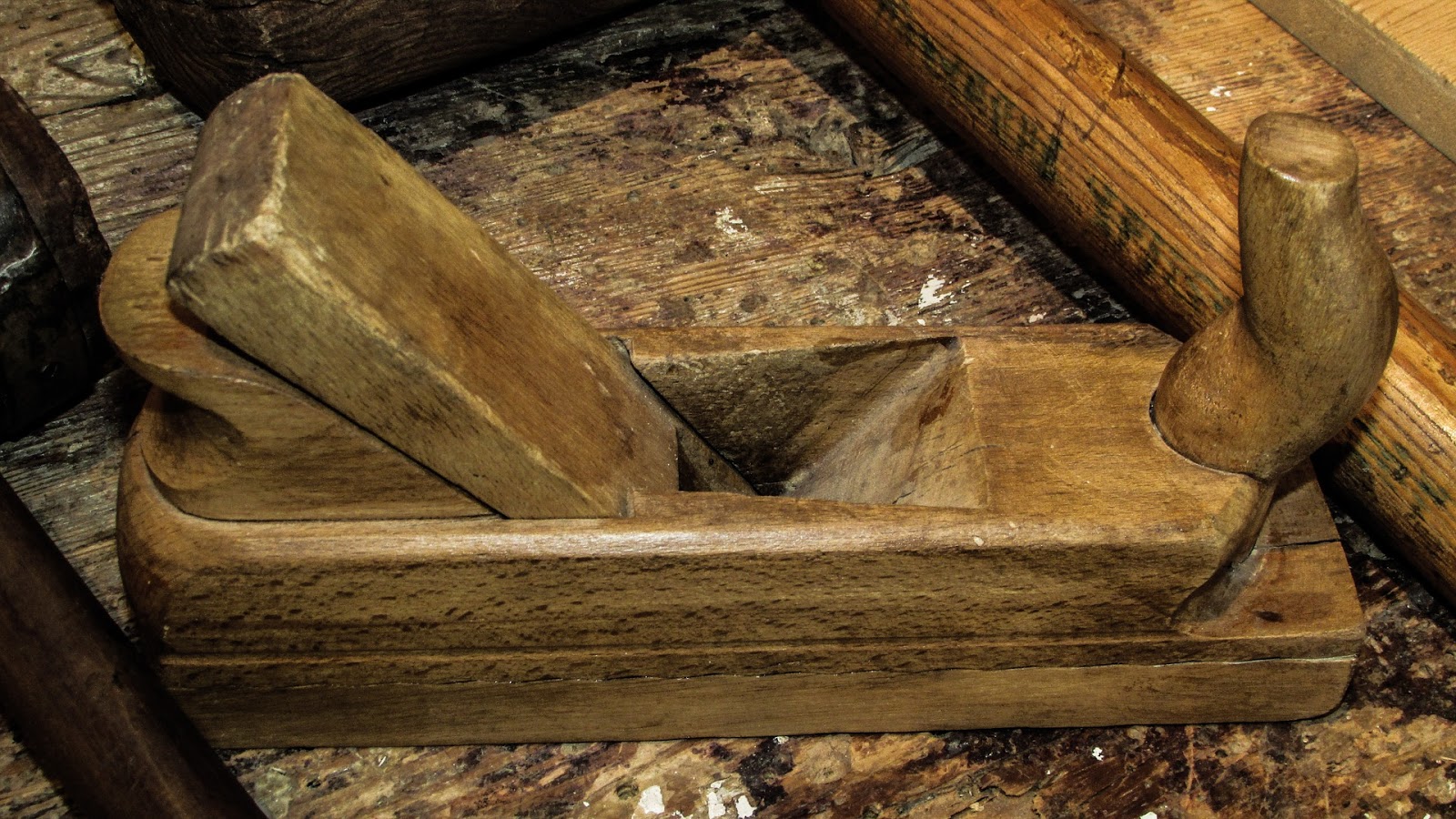
Joseph touched the wood again, running his hands over every piece, every join. He searched carefully for any flaw, any mark, any roughness that required a touch from the plane that was in his expert hands.

The great tree from which the carpenter had taken this piece of wood would renew itself. It would put out new roots and, with time, grow strong again. He remembered the prophet’s words: “But as the terebinth and oak leave stumps when they are cut down, so the holy seed will be a stump in the land.”*

That last phrase sent a shiver down his spine. Would this holy seed, God’s Son who was about to be entrusted to his care, be cut down as he had cut down the oak tree to make this cradle? What had the prophet meant?

One thought connected to another, divinely linked. As Joseph ran his hands over the wood, he also recalled another prophecy. “A shoot will come up from the stump of Jesse; from his roots a Branch will bear fruit. The Spirit of the Lord will rest on him—the Spirit of wisdom and of understanding, the Spirit of counsel and of power, the Spirit of knowledge and of the fear of the Lord—and he will delight in the fear of the Lord…In that day the Branch of Jesse will stand as a banner for the peoples, the nations will rally to him, and his place of rest will be glorious.”**

This was a conundrum to be solved by more astute minds than his. He had best stick to what he, the carpenter, knew for sure—how to work the wood.

However, just as few days later, the cradle was forgotten. The order had been posted. Every Israelite was to return to his birthplace to register. It was a Roman command and impossible to ignore. Mary was close to her time. They would never be able to get back to Nazareth for the birth of the child, and there was no way to take with them the cradle that Joseph had poured his soul into. Who knew what awaited them in Bethlehem, what sort of bed would receive this King? Who knew how long they would have to linger there?

At first Joseph was angry. He had worked so hard. It wasn’t fair! Then he felt disappointment. The beauty that his skill had produced might never hold close the tender and tiny Person Who would someday rule the nations. Later, fear crept in. Had Yahweh rejected his gift, and his skill, as unworthy?

As he pulled the door to his workshop closed, the carpenter looked back at the masterpiece sitting abandoned on the workbench. Another thought collided with, and then overtook, his anger, disappointment, and fear.

The oak was also a place of worship for the pagan nations, he mused. Perhaps I have thought too much about the beauty of the cradle and valued it too highly. Perhaps I thought too much about the skill that produced it. Perhaps the cradle of oak was appreciated, but never necessary. Perhaps all Yahweh ever wanted was for me to say “Yes” to becoming step-father to a King.

Released, Joseph closed the door and turned his steps, and his heart, toward Bethlehem. As he and Mary passed by it, he noticed that the oak from which the cradle had been born was already showing signs of life. It was enough.

*Isaiah 6:13. **Isaiah 11:1-3, 10.

Wednesday, December 23, 2015

One Little Snowflake


Once upon a time, long ago and far away there was a little snowflake. She was one of many waiting her turn to announce the coming of yet another winter season. The delicate embroidery of each flake had been lovingly crafted by the Master Snow Maker. Still, the little snowflake felt lost and forgotten in the presence of the bigger and more complex designs.

As her time approached, the little snowflake grew more and more worried. “I can’t do this,” she whispered, for she was afraid of what might await her out in the outer limits of the heavens.

The little snowflake made one last appeal to the Master Snow Maker. Perhaps he would have compassion on her and let her wait until she too, was bigger and better.

However, he shook his head, and with a wise smile, eased her out the celestial windows along with a multitude of others whose time has also come.

“You may not become the cusp of the biggest snowball, or the cornerstone of the strongest snow fort. You might not be the first to signal the coming of winter, or freeze into perpetuity in the still waters of a waiting stream. But, you’ll be exactly what you were meant to be just as you are. You will do what you were designed to do-o-o-o-o-o-o-o-o …” and his voice drifted away as she fell further and further into the dark night.

For a time she lost sight of the rest of her companions as she drifted down through puffy clouds. She was teased by gentle breezes and tossed by some that were not so gentle. Now, more than ever, the little snowflake felt small and oh so alone.

As she drifted through the blackness, she tried to remember all that the Master Snow Maker had said. “You are unique. You know that I never make even one snowflake like any other. Only you can be you.”

“But I am only one among so many,” she argued.

“You are still the only one that is YOU,” he patiently insisted.

The little snowflake felt her progress slow. The breezes had faded. The night was still and silent. The air was cold. She could see more clearly now. The clouds had drifted away leaving the skies intense with glittering stars. One in particular drew her attention. It shone more brightly than the rest, bathing the landscape in a warm glow that penetrated the cold and dark.

“I’ll head for that star,” she said to no one in particular. She picked her currents of air carefully and soon found herself under the pale light of the bright star. Below her, the little snowflake could see the outline of hills against the dark sky. Nestled among them was a village. Pale lights flickered from the rough dwellings, occasionally disappearing as their inhabitants went off to bed. Against one hill, on the edge of town, a shed rested, its tired beams sheltering the entrance to a hollow carved out of the hillside. The star on whose mantle she rode seemed to point the way to that unlikely spot.

Closer and closer the little snowflake came. In the light of the star, she saw that there were four-footed beasts huddled beside the humble shelter below her. Some of her quicker companions melted themselves into curly wool and rough hide. Others slipped through the gaps in the roughly hewn slats in the roof and came to rest on the woolen cloaks, weathered cheeks, and calloused hands of the sheep keepers seeking shelter inside the shed.

The little snowflake braced herself. Her end was coming. She wondered how it could possibly fulfill all that the Master Snow Maker had promised. She landed gently on soft and pure flesh; the tip of the tiny nose of a Child nestled deep in the straw of the feed box. He made no sound, no move to brush her away. She, so small and insignificant, would go unnoticed right to the end. Or, would she?

As the little snowflake melted into Him, she felt the warmth of His smile and sensed that, somehow, He had been waiting for her arrival. In a flash as bright as that of the star she had followed, the little snowflake knew in her deepest being that in finding Him, she had found everything and had discovered not her end, but her beginning.

Monday, December 21, 2015

Tinkle and Clang

A flurry of discordant sound announced the arrival of several sections of the bell choir.

“Move it, you three. You’re late and we haven’t got much time,” chimed the Bell Master from his place on the bottom rung of the carillon.

“Nag, nag, nag,” whispered the D flat to his buddy, C, as they climbed into their places on the top level. “What’s the hurry, anyway? Clang’s got his clapper in a knot for sure this morning.”

“Morning? It’s still dark outside,” protested the F major, breathlessly hauling himself up behind the others.

The smaller bells finally got themselves into place, just as Clang struck the note that indicated readiness and silence in the ranks. He looked around, carefully checking to make sure no one was missing. Worse than a faulty note was no note at all.

“Where’s Tinkle?” he boomed from his assigned spot.

Tinkle was the littlest bell of all. Her spot was high up at the top of the carillon.

Like an evil wind brushing through the tower, the rustle of the bells created dissonance as everyone looked around, hunting for Tinkle.

“I’m here sir. Just polishing, Bell Master.” Her clear, high sound rang out as Tinkle took her place at the apex of the musical arrangement.

“That girl takes herself too seriously. ‘Just polishing, Bell Master.’ As if fingerprints made any difference to anyone,” mimicked the D flat.

“You have something to share with us?” came Clang’s voice from down below.

Everyone froze. More than once Clang had said out loud that he wished they never had to have contact with their human counterparts—the evil always rubbed off a bit, like fingerprints on the burnished surface of a bell.

“Uhmmmmm, no sir. I was just, well, wondering what all the rush was about,” stuttered the offender. “It’s not even daylight yet.”

“Well, if—and I know keeping time for you doesn’t usually include knowing what day it is—you had been paying attention during rehearsals, you would have remembered that dawn today is the biggest moment of our year. Today we bring hope to the world.”

From somewhere in the middle of the bevy of bells came the dulcet tones of one of the G’s. “But, boss, do you really think anyone listens to us? It’s nasty out there. Everyone knows what happened to poor Liberty. Those humans are a mean lot and we don’t seem to be making much of an impact.”

There were a couple of chuckles from the group at G’s unintentional play on notes. The subdued merriment stopped as Clang’s clapper sounded for silence.

“I’ll admit that I sometimes have my doubts as to whether anyone gets our message, but that’s not the point. The point is that we have a message that we have been assigned to deliver, we’ve been practicing faithfully for this last year, and we are going to chime out that message no matter what. It’s up to the Master Musician to do the rest. So, are we ready? It’s almost time.”

The bell choir stirred, positioning themselves, clappers at the ready, all eyes on Clang.

“Tinkle?”

“Yes, sir?”

“Don’t forget, your part is critical. Sometimes people don’t hear the high notes, so you can’t hesitate or show weakness.”

“I won’t let you down, sir.”

Slowly the blackness outside the tower retreated before the insistence of the watery light of a winter sun. As it peeked above the horizon, Clang readied himself, gave the choir one last check, and nodded to Tinkle.

The high, light sound rang out loud and clear, followed by a rolling scale of melodious notes that reverberated across the awakening town.

Far below the tower, in the manse beside the church, a pastor looked up from his prayers. He had wrestled all night with his Christmas morning message. What could he say that would bring hope to a world where evil ruled men’s hearts, where even Christmas was banned with an “X”? How could he make sense of a world where, in the name of preserving peace, war was wrought?

He listened, remembered, and smiled. Hope was in God’s final note—which had yet to be played.

***************

And in despair I bowed my head/There is no peace on earth I said/For hate is strong and mocks the song/Of peace on earth, good will toward men/
Then peeled the bells more loud and sweet/God is not dead nor doth he sleep/ The wrong shall fail, the right prevail/Of peace on earth, good will toward men./
(from: I Heard The Bells On Christmas Day)

Wednesday, December 24, 2014

Tinkle and Clang

Google Images
A flurry of discordant sound announced the arrival of several sections of the bell choir.

“Move it, you three. You’re late and we haven’t got much time,” chimed the Bell Master from his place on the bottom rung of the carillon.

“Nag, nag, nag,” whispered the D flat to his buddy, C, as they climbed into their places on the top level. “What’s the hurry, anyway? Clang’s got his clapper in a knot for sure this morning.”

“Morning? It’s still dark outside,” protested the F major, breathlessly hauling himself up behind the others.

The smaller bells finally got themselves into place, just as Clang struck the note that indicated readiness and silence in the ranks. He looked around, carefully checking to make sure no one was missing. Worse than a faulty note was no note at all.

“Where’s Tinkle?” he boomed from his assigned spot.

Tinkle was the littlest bell of all. Her spot was high up at the top of the carillon.

Like an evil wind brushing through the tower, the rustle of the bells created dissonance as everyone looked around, hunting for Tinkle.

“I’m here sir. Just polishing, Bell Master.” Her clear, high sound rang out as Tinkle took her place at the apex of the musical arrangement.

“That girl takes herself too seriously. ‘Just polishing, Bell Master.’ As if fingerprints made any difference to anyone,” mimicked the D flat.

“You have something to share with us?” came Clang’s voice from down below.

Everyone froze. More than once Clang had said out loud that he wished they never had to have contact with their human counterparts—the evil always rubbed off a bit, like fingerprints on the burnished surface of a bell.

“Uhmmmmm, no sir. I was just, well, wondering what all the rush was about,” stuttered the offender. “It’s not even daylight yet.”

“Well, if—and I know keeping time for you doesn’t usually include knowing what day it is—you had been paying attention during rehearsals, you would have remembered that dawn today is the biggest moment of our year. Today we bring hope to the world.”

From somewhere in the middle of the bevy of bells came the dulcet tones of one of the G’s. “But, boss, do you really think anyone listens to us? It’s nasty out there. Everyone knows what happened to poor Liberty. Those humans are a mean lot and we don’t seem to be making much of an impact.”

There were a couple of chuckles from the group at G’s unintentional play on notes. The subdued merriment stopped as Clang’s clapper sounded for silence.

“I’ll admit that I sometimes have my doubts as to whether anyone gets our message, but that’s not the point. The point is that we have a message that we have been assigned to deliver, we’ve been practicing faithfully for this last year, and we are going to chime out that message no matter what. It’s up to the Master Musician to do the rest. So, are we ready? It’s almost time.”

The bell choir stirred, positioning themselves, clappers at the ready, all eyes on Clang.

“Tinkle?”

“Yes, sir?”

“Don’t forget, your part is critical. Sometimes people don’t hear the high notes, so you can’t hesitate or show weakness.”

“I won’t let you down, sir.”

Slowly the blackness outside the tower retreated before the insistence of the watery light of a winter sun. As it peeked above the horizon, Clang readied himself, gave the choir one last check, and nodded to Tinkle.

The high, light sound rang out loud and clear, followed by a rolling scale of melodious notes that reverberated across the awakening town.

Far below the tower, in the manse beside the church, a pastor looked up from his prayers. He had wrestled all night with his Christmas morning message. What could he say that would bring hope to a world where evil ruled men’s hearts, where even Christmas was banned with an “X”? How could he make sense of a world where, in the name of preserving peace, war was wrought?

He listened, remembered, and smiled. Hope was in God’s final note—which had yet to be played.

***************

And in despair I bowed my head/There is no peace on earth I said/For hate is strong and mocks the song/Of peace on earth, good will toward men/
Then peeled the bells more loud and sweet/God is not dead nor doth he sleep/ The wrong shall fail, the right prevail/Of peace on earth, good will toward men./
(from: I Heard The Bells On Christmas Day)

Friday, December 12, 2014

Mildred's Mouse House

plus.google.com (Google Images)
Synopsis: Millie discovers a unique way of giving Jesus the birthday present He could have used two thousand years ago.

Characters:
Mildred, a child of about 7
Robin, Mildred’s 12 year old brother
Mom

Location:
A kitchen with a back door leading to the yard.


Scene One
Mom is in the kitchen cooking. Robin is working on homework at one end of the kitchen table. Mildred is at the other end, elbows on the table, holding up her head with her hands, looking very glum.


Robin (looking up and across at Milly):
"Mr. Henderson paid me yesterday. Now I have enough to do ALL my Christmas shopping."

Mom:
"That’s nice. If you like, we can go to the mall on Saturday. Milly can come with us."

Milly:
"Don’t want to."

Mom:
"Why not?"

Milly:
"Don’t have any money. Can’t buy anything for anybody without money."

Robin:
"I’ll lend you some. Course, I’ll have to charge you interest."

Milly:
"What’s “interest”?"

Mom:
"Don’t pay any attention to your brother. He’s being silly. Maybe you could make some Christmas presents out of things you already have."

Robin:
"I don’t want some of her homemade junk."

Mom (with warning in her voice):
"Robin, that’s enough. With that kind of attitude you don’t deserve any kind of present from Milly. Maybe we could make things easier for all of us this year. How about we write down the names of all the people we are going to give presents to and put them in a hat. Then each of us can draw a name and buy a present for just that one person?"

Robin:
"Hey, then I only get one present."

Mom:
"Robin, Christmas isn’t about how many presents YOU get, remember?"

Robin:
"Okay, okay. Actually it’s not a bad idea. Then I only have to buy one present and I’ll still have money left for me."

Mom (signs and shakes her head):
"Sometimes, I wonder if Scrooge didn’t somehow get trapped in a twelve year old’s body."

Robin:
"What?"

Milly:
"Who’s Scrooge?"

Mom:
"Never mind. It’s not important."

Milly:
"I ALWAYS wonder about Robin. But I don’t even have money for one present. What if I get Grannie’s name?"

Robin:
"That’s easy. Grannie says she’s going to heaven soon and there isn’t a thing that she needs. You wouldn’t have to buy her anything."

Milly & Mom (horrified)
"ROBIN!"

Robin:
"Well, that’s what she said."

Mom:
"You know, I think I have the solution to this problem. How about we don’t buy any presents for anyone this year?"

Robin and Milly:
"Mom!"

Mom:
"No, I’m serious. Whose birthday is it anyway?"

Milly:
"Jesus’ birthday."

Mom:
"Right. So, why are we buying presents for everyone except the person who is celebrating the birthday?"

Robin:
"Cause we have to. We’ve always done it that way. We need to. I NEED Christmas presents."

Mom:
"Look at it this way, Robin. Think of all the money you will have left from your paper route if you don’t have to buy any Christmas presents."

Robin (thinks for a moment):
"Well, there is that."

Milly:
"But, Mom. I still don’t have any money to buy Jesus a Christmas present either."

Robin:
"Jesus is like Grannie. He doesn’t need anything either cause he’s already in heaven."

Milly (throws something at her brother):
"Mom, tell him to stop."

Mom:
"Yes, Robin, please stop being disrespectful. You are right…"

Robin (interrupting):
"See, I told you."

Mom:
"…to a point. How about we think about doing, rather than buying?"

Robin:
"What good stuff doesn’t cost money?"

Mom:
"If we had been around when Jesus was born, we could have done lots of things for him with what we already have. Robin could have given up his bedroom so that Mary could have her baby in a warm and safe place."

Robin:
"Why my room?"

Mom:
"Milly, you could have given him your doll’s bed so that he would have a nice place to sleep. I could have given some of this nice chicken soup to Mary and Joseph and warmed a bottle of milk for the baby".

Milly:
"But Jesus is in heaven, and he doesn’t need me to do anything like that for him now."

Mom:
"Well, you could do something for him, by doing something for someone else, just as if you were doing it for Jesus. He’s like that kind of present. Think about it for a while. Meanwhile son, you and I have a date upstairs with your room. We clean it or we condemn it."

Robin:
"Aw, Mom. You can’t be serious."

(Mom leads Robin off protesting all the way. The lights fade with Mildred still sitting at the table deep in thought.)

Scene Two
The lights come up as Milly closes the door leading out into the back yard. Mom enters with Robin.

Robin (complaining):
"Four hours, I can’t believe it took us four hours to do that room. I’ll never be able to find anything ever again. I’m wiped. I’m starving. When’s dinner?"

Mom:
"Soon. Clear your things off the table. Milly can set it and we’ll be ready to eat."

(The children begin those chores. Mom reaches for her pot holder only to discover that it’s missing.)

Mom:
"Milly, have you seen my pot holder? I thought I left it right here beside the stove when Robin and I went up to clean his room."

Milly:
"I took it."

Robin:
"Well, give it back so we can eat."

Mom:
"You took it? What for?"

Milly (hesitatingly):
"I got thinking about what you said, you know, doing something to help someone else, just as if I was doing it for Baby Jesus. I needed the pot holder."

Robin:
"I knew it. Too much thinking and she’s flipped out."

Mom (in a warning tone of voice):
"Robin. You did want supper, didn’t you?"

Robin:
"Sure. (Pause) Oh, I get it. Zip the lip."

Mom:
"Right. Now, Mildred, explain to me what the pot holder has to do with what we talked about?"

Milly:
"Well, Jesus doesn’t need a bedroom or a blanket or chicken soup or milk, but I found someone else who does. But my blanket didn’t fit in the bed, so I took the pot holder to use as a blanket."

Mom:
"You used the pot holder for a blanket. What person do you know who would need a pot holder for a blanket?"

Mill: (beginning to look a little worried):
"I don’t know any babies like Jesus that I could do something for, so I thought maybe helping other babies might be okay."

Mom:
"Other babies? What other babies?"

Milly:
"Um. Dad plugged the hole going into the basement last week so that the mice couldn’t get in the house."

Mom:
"Yes?"

Milly:
"Well, He took the mice out of the basement before he plugged the hole."

Mom:
"Yes?"

Milly
"It’s cold outside and they can’t come into the basement, or live in the house."

Mom: (slowly)
"Y-e-s?"

Milly:
"The mice had babies. I saw them in the shed."

Mom:
"Okay."

Milly:
"So I took my old doll house out to the shed. I put it down flat and filled all the rooms up with those wood shavings that dad had in the basement. But I didn’t have any blankets to put on top to keep the babies warm. So I took the pot holders."

Mom:
"All of them?"

Milly:
"Mostly. I’m sorry."

(Milly begins to cry.)

Mom:
"Milly, honey, don’t cry."

Milly:
"You’re not mad at me?"

Mom:
"No honey, I’m not angry with you. You did for those mice what you would have done if Jesus had needed a warm place to sleep, didn’t you?"

Milly:
"I wanted to. I thought that if the mice were happy and warm, Jesus would be too. But I am sorry about the pot holders."

Mom:
"I really do want those pot holders back. But don’t worry. I think I can find something that will work just as well to cover up the babies’ beds and keep all of them warm."

Robin:
"Can we eat now?"

Milly:
"Mom?"

Mom:
"Yes, honey."

Milly:
"I did something else too."

Mom:
"What did you do?"

Milly:
"I took the mice some chicken soup."

Robin:
"You did what?"

Mom (laughing):
"Did you leave enough for us?"

Milly:
"I think so."

Mom:
"Good. Put the bowls out and then you can give thanks."

(Milly puts out the bowls and Mom serves the soup.)

Milly:
"Dear Jesus. Thank you for Mom and Dad. And Robin too. Thank you for giving us a warm place to live, and food to eat. I’m sorry no one was there to give you those things when you were a baby but I hope you like your birthday present even if you can’t enjoy it yourself. Amen."

(Pause)

"And, Lord, please make sure the mice are careful with Mom’s pot holders."

Friday, November 28, 2014

A Glorious Christmas

Erna Elizabeth Schultz (Blaedow)
I held her hand, as if by doing so I could prevent her from slipping away. A little more than twenty-four hours before, I had been in my kitchen baking as though my own life depended on it. I was determined that this Christmas was going to be a good one. Less than three months had passed since my father’s death. For the first time, there would be only three of us to sit down to Christmas dinner. Then came the phone call.

“Mom’s had a massive heart attack. It’s bad.”

My brother had already made the journey north. On Friday night, mom had complained of chest pains. She’d had a mild heart attack several years earlier, so Wayne took her into emergency. By the time the medical personnel checked her over, there didn’t seem to be anything wrong, but they decided, as a precaution, to keep her in overnight. Saturday afternoon, the big one everyone dreaded, struck.

I had planned to travel north with some friends. Now other arrangements had to be made, and just a few days before Christmas there weren’t too many options. There were no flights available. The trains were booked solid. The only chance I had was to take an overnight bus. That was at least a nine hour ride, often longer if the weather was bad.

All the way home, I sat on the edge of the seat, willing the bus driver to go faster. I was terrified that I wouldn’t get home in time. My dad had died alone, suddenly, in his hospital room the night before he was to be released. I couldn’t bear the thoughts of not being there for my mother. I prayed that she would hold on.

The hospital was only a few blocks from the bus station. When I got there, my brother was waiting in the hall outside of ICU. We went in together. Mom was sitting up and she actually looked quite well.

“I’m sorry I’ve spoiled your Christmas,” she said.

Later, we met with the doctor. There really wasn’t anything more that could be done. It was only a question of time.

And later that afternoon, the time came. My brother and I sat holding her hand as she slipped away from us. Three days before Christmas, 1991, Erna Elizabeth was escorted into the living room of heaven.

We decided not to have the funeral before Christmas. That would allow any family that wanted to attend, to make the journey from southern to northern Ontario. Several people from the church that I had grown up in invited us to spend Christmas with them. But neither of us could face that. Nor did we want our grief to cloud the Christmas celebrations of others.

But what could we do? I remembered what mom had said when I entered her room that Sunday morning. “I’m sorry I’ve spoiled your Christmas.” No way was I going to let that happen.

Mom had bought the turkey, the potatoes, the turnip, and all the other things that we traditionally enjoyed for Christmas dinner.

“I’m going to cook the turkey, and we are going to have Christmas the best we can, just as mom would have wanted,” I told my brother. I’m sure he thought I was crazy. Perhaps I was.

On the twenty-fifth of December, we sat down to a turkey dinner with all the trimmings. We raised our glasses in tribute to those absent from us. We opened the presents that Mom had so carefully chosen. And we mourned, each in our own way.

Later, with dishes washed and food put away, there was time to think. If mom hadn’t already been in ICU receiving care, chances were that I would not have gotten home in time to talk to her for the last time. I thanked God for that favour. I had planned to make this Christmas special for mom. God had also planned to make this Christmas special for mom. His plan for her was better than mine and, after all, wasn’t that the point? She spent it dining with dad. And best of all, they shared the table with Jesus.

Into the shadow of grief, there came a little ray of sunshine, and with it, a voice that seemed to say: “I answered your prayer, but not the way you would have chosen. I know it hurts, but it will only be for a little while. There will be an eternity of Christmases for all of you together one day soon”.

Lynda Schultz, December 2005

Friday, December 21, 2012

Tinkle and Clang

Google Images
A flurry of discordant sound announced the arrival of several sections of the bell choir.

“Move it, you three. You’re late and we haven’t got much time,” chimed the Bell Master from his place on the bottom rung of the carillon.

“Nag, nag, nag,” whispered the D flat to his buddy, C, as they climbed into their places on the top level. “What’s the hurry, anyway? Clang’s got his clapper in a knot for sure this morning.”

“Morning? It’s still dark outside,” protested the F major, breathlessly hauling himself up behind the others.

The smaller bells finally got themselves into place, just as Clang struck the note that indicated readiness and silence in the ranks. He looked around, carefully checking to make sure no one was missing. Worse than a faulty note was no note at all.

“Where’s Tinkle?” he boomed from his assigned spot.

Tinkle was the littlest bell of all. Her spot was high up at the top of the carillon.

Like an evil wind brushing through the tower, the rustle of the bells created dissonance as everyone looked around, hunting for Tinkle.

“I’m here sir. Just polishing, Bell Master.” Her clear, high sound rang out as Tinkle took her place at the apex of the musical arrangement.

“That girl takes herself too seriously. ‘Just polishing, Bell Master.’ As if fingerprints made any difference to anyone,” mimicked the D flat.

“You have something to share with us?” came Clang’s voice from down below.

Everyone froze. More than once Clang had said out loud that he wished they never had to have contact with their human counterparts—the evil always rubbed off a bit, like fingerprints on the burnished surface of a bell.

“Uhmmmmm, no sir. I was just, well, wondering what all the rush was about,” stuttered the offender. “It’s not even daylight yet.”

“Well, if—and I know keeping time for you doesn’t usually include knowing what day it is—you had been paying attention during rehearsals, you would have remembered that dawn today is the biggest moment of our year. Today we bring hope to the world.”

From somewhere in the middle of the bevy of bells came the dulcet tones of one of the G’s. “But, boss, do you really think anyone listens to us? It’s nasty out there. Everyone knows what happened to poor Liberty. Those humans are a mean lot and we don’t seem to be making much of an impact.”

There were a couple of chuckles from the group at G’s unintentional play on notes. The subdued merriment stopped as Clang’s clapper sounded for silence.

“I’ll admit that I sometimes have my doubts as to whether anyone gets our message, but that’s not the point. The point is that we have a message that we have been assigned to deliver, we’ve been practicing faithfully for this last year, and we are going to chime out that message no matter what. It’s up to the Master Musician to do the rest. So, are we ready? It’s almost time.”

The bell choir stirred, positioning themselves, clappers at the ready, all eyes on Clang.

“Tinkle?”

“Yes, sir?”

“Don’t forget, your part is critical. Sometimes people don’t hear the high notes, so you can’t hesitate or show weakness.”

“I won’t let you down, sir.”

Slowly the blackness outside the tower retreated before the insistence of the watery light of a winter sun. As it peeked above the horizon, Clang readied himself, gave the choir one last check, and nodded to Tinkle.

The high, light sound rang out loud and clear, followed by a rolling scale of melodious notes that reverberated across the awakening town.

Far below the tower, in the manse beside the church, a pastor looked up from his prayers. He had wrestled all night with his Christmas morning message. What could he say that would bring hope to a world where evil ruled men’s hearts, where even Christmas was banned with an “X”? How could he make sense of a world where, in the name of preserving peace, war was wrought?

He listened, remembered, and smiled. Hope was in God’s final note—which had yet to be played.

***************

And in despair I bowed my head/There is no peace on earth I said/For hate is strong and mocks the song/Of peace on earth, good will toward men/
Then peeled the bells more loud and sweet/God is not dead nor doth he sleep/ The wrong shall fail, the right prevail/Of peace on earth, good will toward men./
(from: I Heard The Bells On Christmas Day)

Friday, December 14, 2012

One Little Snowflake

Google Images
Once upon a time, long ago and far away there was a little snowflake. She was one of many waiting her turn to announce the coming of yet another winter season. The delicate embroidery of each flake had been lovingly crafted by the Master Snow Maker. Still, the little snowflake felt lost and forgotten in the presence of the bigger and more complex designs.

As her time approached, the little snowflake grew more and more worried. “I can’t do this,” she whispered, for she was afraid of what might await her out in the outer limits of the heavens.

The little snowflake made one last appeal to the Master Snow Maker. Perhaps he would have compassion on her and let her wait until she too, was bigger and better.

However, he shook his head, and with a wise smile, eased her out the celestial windows along with a multitude of others whose time has also come.

“You may not become the cusp of the biggest snowball, or the cornerstone of the strongest snow fort. You might not be the first to signal the coming of winter, or freeze into perpetuity in the still waters of a waiting stream. But, you’ll be exactly what you were meant to be just as you are. You will do what you were designed to do-o-o-o-o-o-o-o-o …” and his voice drifted away as she fell further and further into the dark night.

For a time she lost sight of the rest of her companions as she drifted down through puffy clouds. She was teased by gentle breezes and tossed by some that were not so gentle. Now, more than ever, the little snowflake felt small and oh so alone.

As she drifted through the blackness, she tried to remember all that the Master Snow Maker had said. “You are unique. You know that I never make even one snowflake like any other. Only you can be you.”

“But I am only one among so many,” she argued.

“You are still the only one that is YOU,” he patiently insisted.

The little snowflake felt her progress slow. The breezes had faded. The night was still and silent. The air was cold. She could see more clearly now. The clouds had drifted away leaving the skies intense with glittering stars. One in particular drew her attention. It shone more brightly than the rest, bathing the landscape in a warm glow that penetrated the cold and dark.

“I’ll head for that star,” she said to no one in particular. She picked her currents of air carefully and soon found herself under the pale light of the bright star. Below her, the little snowflake could see the outline of hills against the dark sky. Nestled among them was a village. Pale lights flickered from the rough dwellings, occasionally disappearing as their inhabitants went off to bed. Against one hill, on the edge of town, a shed rested, its tired beams sheltering the entrance to a hollow carved out of the hillside. The star on whose mantle she rode seemed to point the way to that unlikely spot.

Closer and closer the little snowflake came. In the light of the star, she saw that there were four-footed beasts huddled beside the humble shelter below her. Some of her quicker companions melted themselves into curly wool and rough hide. Others slipped through the gaps in the roughly hewn slats in the roof and came to rest on the woolen cloaks, weathered cheeks, and calloused hands of the sheep keepers seeking shelter inside the shed.

The little snowflake braced herself. Her end was coming. She wondered how it could possibly fulfill all that the Master Snow Maker had promised. She landed gently on soft and pure flesh; the tip of the tiny nose of a Child nestled deep in the straw of the feed box. He made no sound, no move to brush her away. She, so small and insignificant, would go unnoticed right to the end. Or, would she?

As the little snowflake melted into Him, she felt the warmth of His smile and sensed that, somehow, He had been waiting for her arrival. In a flash as bright as that of the star she had followed, the little snowflake knew in her deepest being that in finding Him, she had found everything and had discovered not her end, but her beginning.